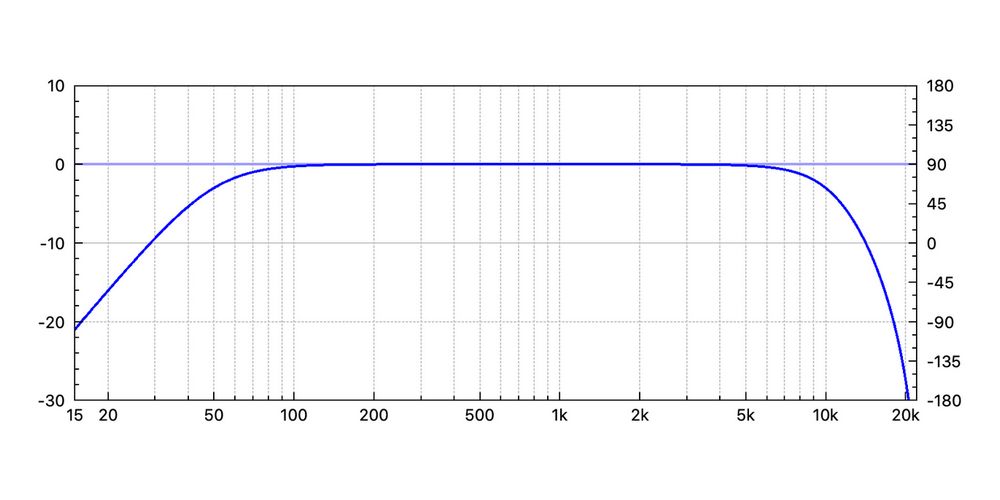
Public address systems are a set of techniques whose primary purpose is to amplify and transmit sound, ensuring its intelligibility. Other equipment, such as professional sound systems or home HIFI systems, is generally intended to reproduce the original sound with maximum fidelity. In the case of public address systems, intelligibility prevails, and in many cases, for example, it is necessary to sacrifice bandwidth to avoid masking caused by ambient noise in a train station or airport lobby. Therefore, this articles will focus more on sound pressure, signal-to-noise ratio, coverage, and intelligibility than on fidelity, frequency response, or power.
Sound, whether defined as a mechanical vibration capable of producing an additive sensation (from a physical perspective) or as the auditory sensation produced by a mechanical vibration (from an acoustic perspective), is the subject of study in several disciplines. Physical acoustics, physiological and psychoacoustic acoustics, electroacoustics, architectural acoustics, musical acoustics, linguistics and phonetics…
To address the study of everything related to public address systems, it is necessary to review some basic knowledge of physical acoustics and electroacoustics, as a preliminary step to describing the methodology of acoustic studies and implementing public address systems projects.