INDUSTRY

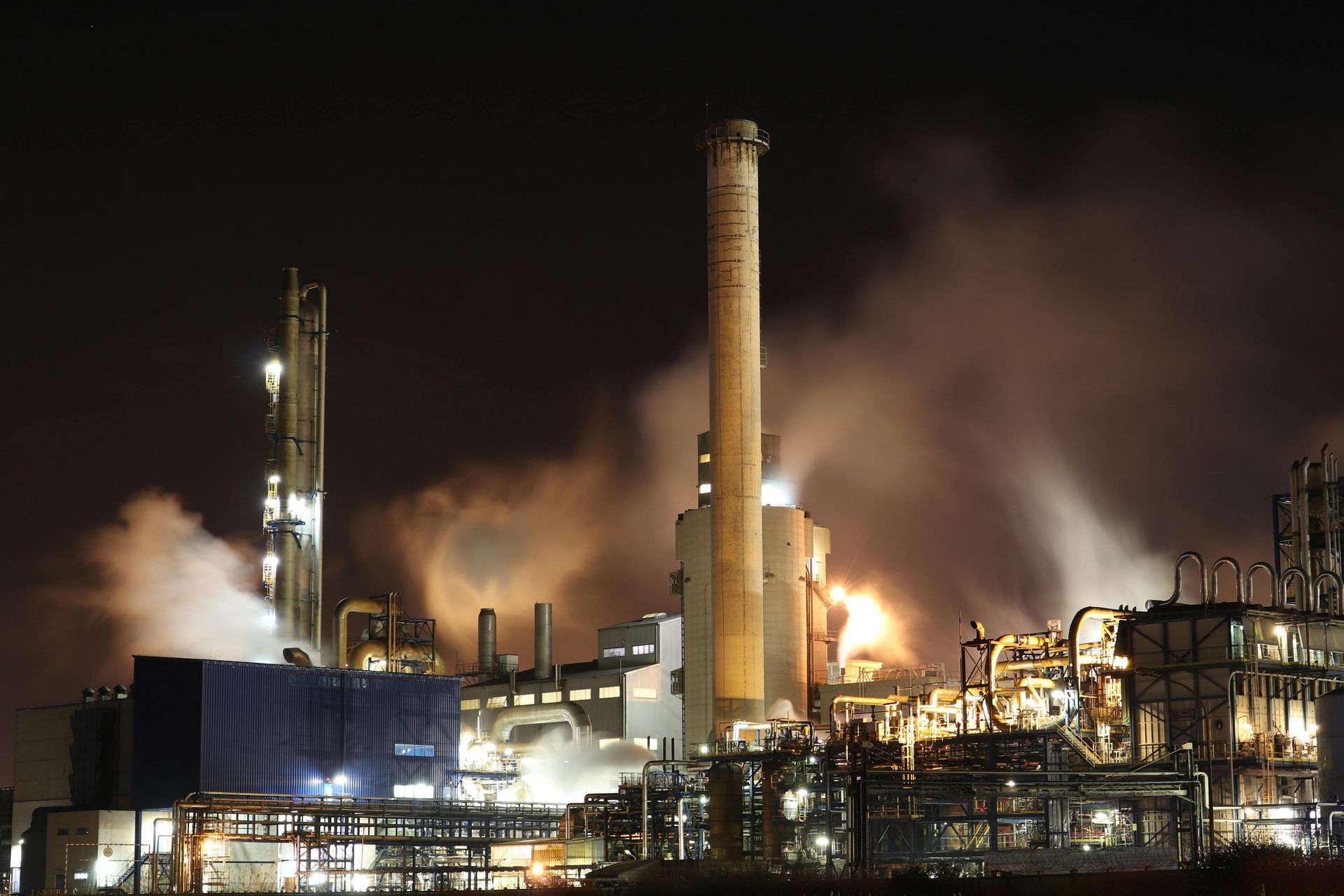
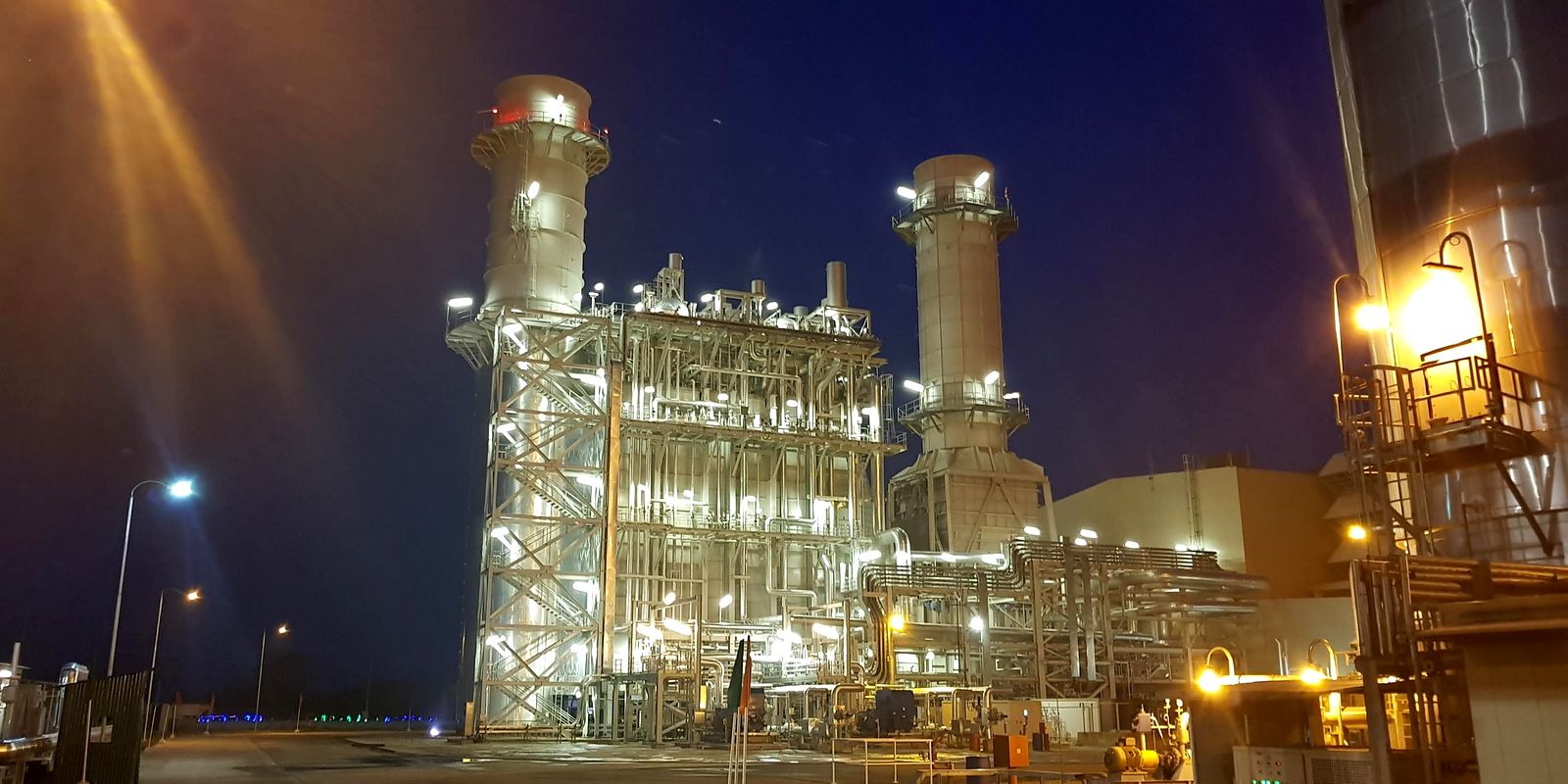
In industry, public address systems provide important services, such as voice alarms, which facilitate an orderly and safe evacuation of the premises, or time signalling for shift changes. They also provide other more common services such as music broadcasting in offices and visitor areas, or location and general or zone-based warnings. Many of the sound points are installed outdoors and in aggressive environments, they must provide high acoustic pressure due to the large size of the premises, they must comply with ATEX certifications and have high levels of IP protection.
Key functions
- Extreme Protection: Loudspeakers used in industrial environments must have high protection levels (IP66 or higher) to resist dust, moisture, and corrosive agents. In some applications, such as chemical plants or refineries, ATEX certification is essential for safe operation in areas at risk of explosion.
- Integrated Intercom: Industrial communication relies not only on public address systems but also on SIP intercom systems, which allow for seamless connections between workers, control centers, and security systems. These devices must share the rugged characteristics of loudspeakers, ensuring durability and reliability in demanding environments.
- Total Coverage: Audio systems must be designed to ensure optimal sound distribution, ensuring that messages are intelligible in noisy and large areas. This is achieved through a detailed analysis of the installation and the use of loudspeakers with high acoustic performance.
- Reliability and redundancy: In industrial spaces, where safety is paramount, public address and intercom systems must ensure continuous operation, even in the event of a failure. This is key for emergency management and operational communication.

Key features
- Speakers resistant to shock, vibration, extreme temperatures, and corrosive agents, with materials such as stainless steel and reinforced polymers.
- Advanced communication protocols, including SIP, for seamless integration with intercom and control systems.
- Strategic distribution of transmission points to ensure full coverage in large spaces.
- Optimized audio processing, with filters and delays, to improve intelligibility in noisy environments.
- Backup and monitoring systems, which allow system status monitoring and trigger alerts in the event of a failure.

Benefits
- Greater security in the transmission of critical messages, enabling effective emergency management.
- Extreme durability, reducing maintenance costs and ensuring long-term operation in adverse environments.
- Optimized communication, improving coordination between work teams and responding to unforeseen situations.
- Efficient integration with other security and automation systems, such as alarms and access control.
- Regulatory compliance, ensuring that the equipment meets the safety and quality standards required in industrial environments.