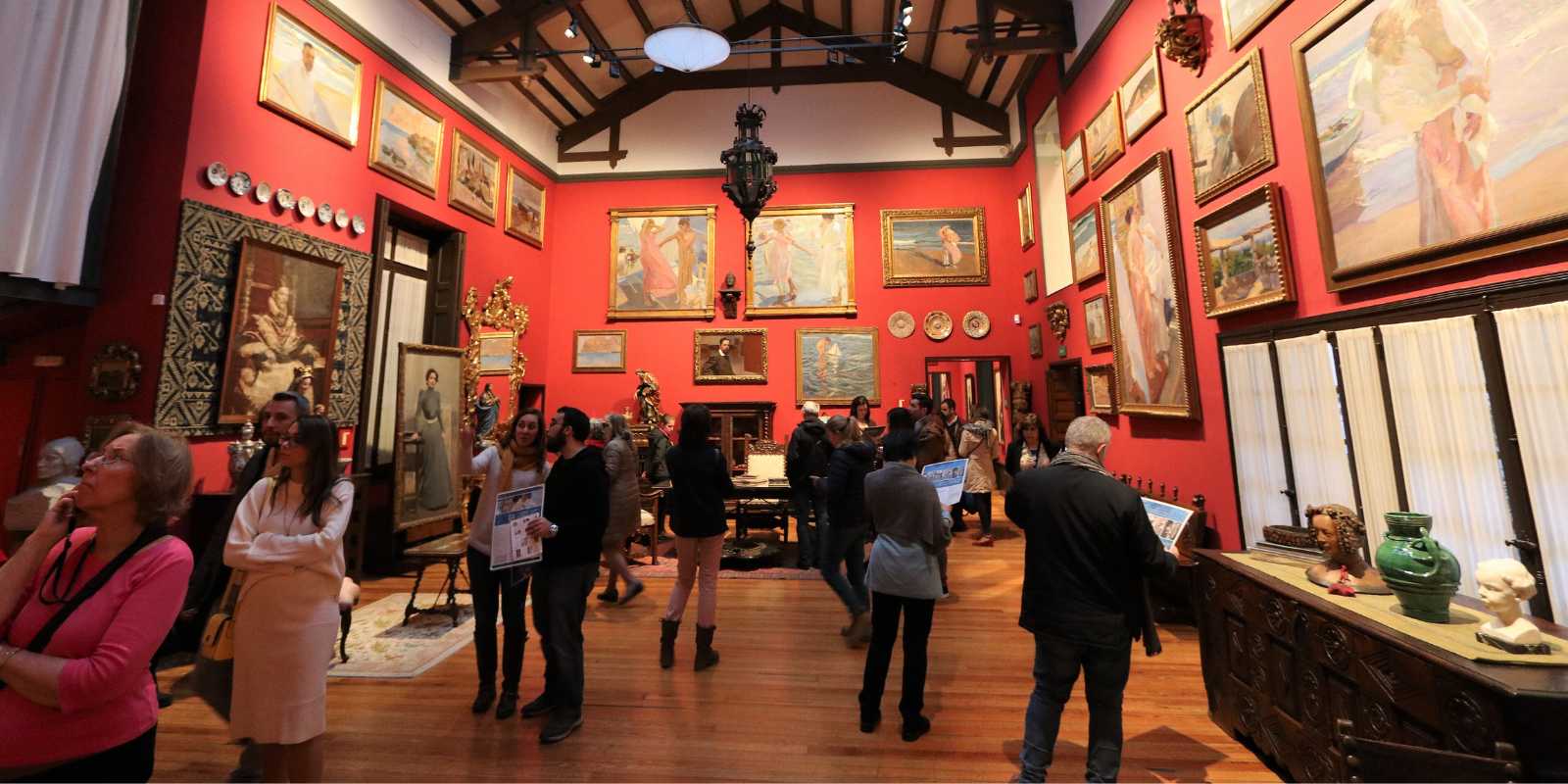
Photography: Juan Antonio Segal via Wikimedia Commons / CC BY 2.0
OPTIMUS has supplied the PA and hearing accessibility system for Museo Sorolla in Madrid, as part of the building's refurbishment and expansion works. The project combines a central COMPACT system with a loudspeaker layout integrated into the building, together with a complete hearing accessibility solution for hearing aid and cochlear implant users, both at the box office and throughout the museum's galleries.

Joaquín Sorolla's home as an exhibition venue
Museo Sorolla is housed in the mansion that Joaquín Sorolla y Bastida (1863-1923), the painter of Mediterranean light, commissioned in 1911 on Paseo del General Martínez Campos as his studio, home, and garden. Designed by architect Enrique María Repullés following Sorolla's own ideas, the building keeps the original layout of studios and family rooms, along with three gardens of Andalusian and Italian inspiration designed by Sorolla himself.
After the painter's death, and in keeping with the wishes of his widow, Clotilde García del Castillo, the house became a state museum in 1932. In 1962 it was declared a National Historic-Artistic Monument. It holds more than 1,200 of the painter's works (paintings, drawings, and sculptures), over 800 pieces of folk ceramics that Sorolla put together as a collector, as well as jewellery, old photographs, correspondence, and original furniture.
In recent years, the museum has been through a full refurbishment that has updated its technical systems, expanded its spaces, and modernised the visitor experience without compromising the building's heritage value. The OPTIMUS installation is part of that work.
The OPTIMUS solution: PA and hearing accessibility
The solution is built around a COMPACT matrix, the OPTIMUS modular PA and voice alarm system, with 2,000 W RMS of power. It's controlled from an ME-200B microphone console and a DC-700ETH IP touchscreen console, which handle announcements and zone selection from the museum's control points.
The loudspeaker layout combines two formats depending on the character of each room. Across the exhibition rooms and gallery spaces, 65 flush-mounted A-257DTM speakers provide discreet coverage that blends into the architecture, without visually intruding on the heritage spaces or getting in the way of viewing the artwork. In areas where higher sound pressure or directionality is needed, SP-920EN sound projectors reinforce the distribution. The whole setup is designed to handle the dual role of everyday PA and voice alarm in the event of an evacuation.
Hearing accessibility for every visitor
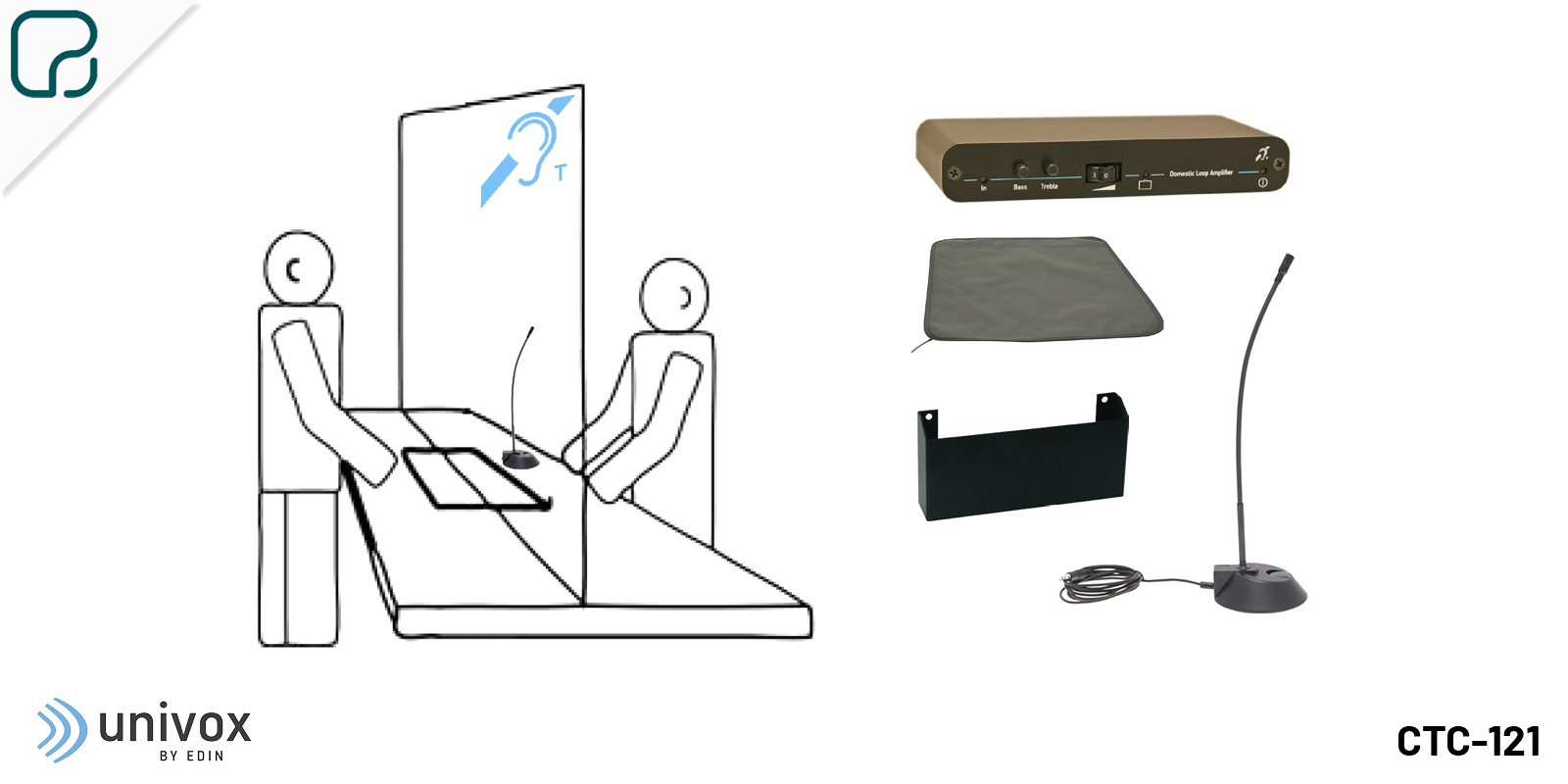
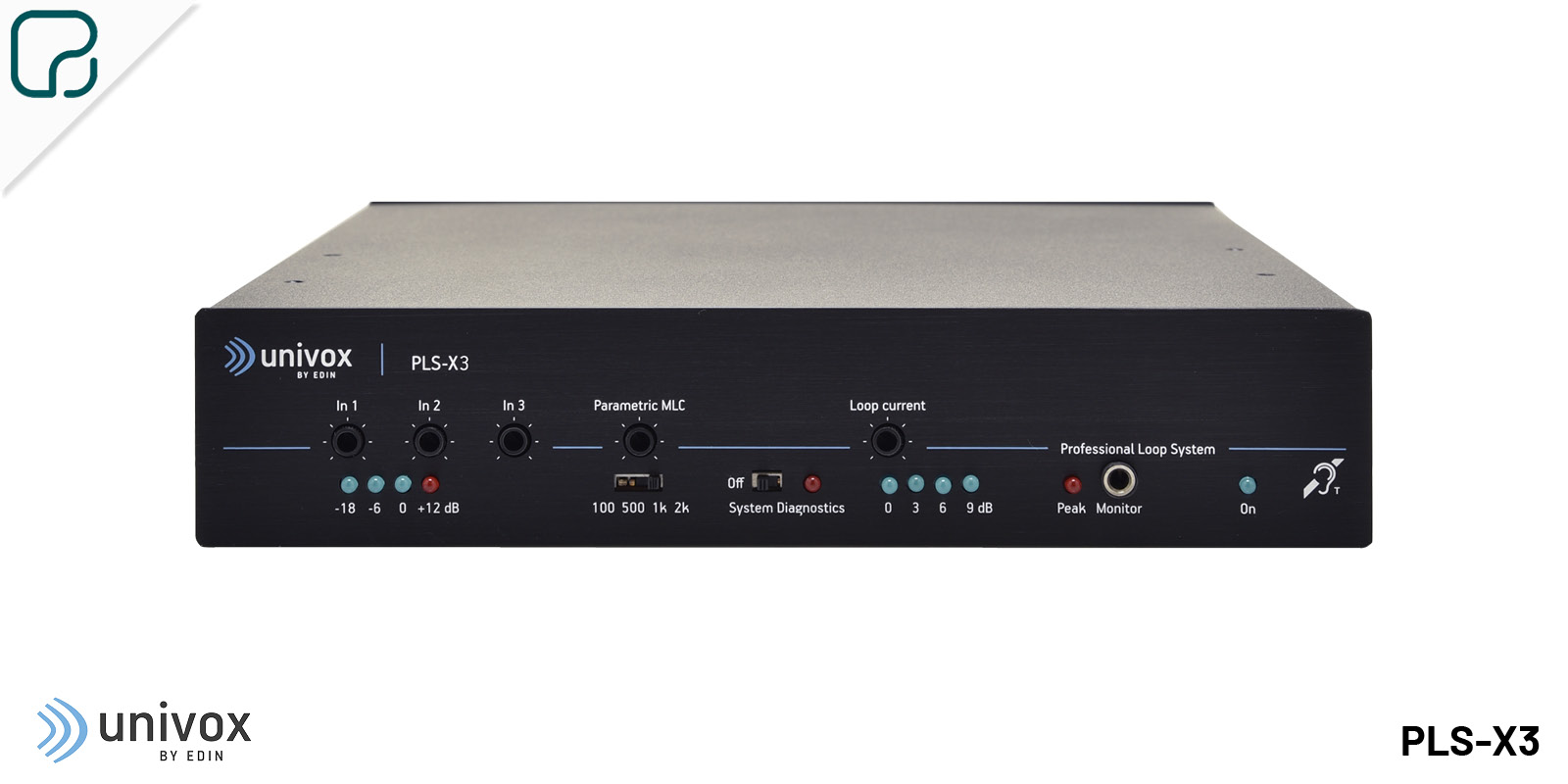
The project incorporates a complete magnetic induction loop system that opens the museum up to hearing aid and cochlear implant users. At the box office, a CTC-121 (a complete counter induction loop system with built-in amplifier, microphone, and induction pad) makes for accessible service from the very first point of contact. In the main hall, a PLS-X3 single-loop amplifier provides magnetic field coverage for guided tours, talks, and cultural events.
The system is aligned with the magnetic field, coverage uniformity, and frequency response parameters set out in the international IEC 60118-4 standard for hearing accessibility. With this installation, Museo Sorolla adds a layer of accessibility that brings hearing aid and cochlear implant users into the full museum experience, from buying a ticket to joining a guided tour.
A reference project for OPTIMUS in museums and heritage spaces
Museo Sorolla is an example of how PA, voice alarm, and hearing accessibility can be integrated into heritage buildings while meeting two demands at once: technical soundness and architectural sensitivity. OPTIMUS offers solutions for museums, house museums, exhibition halls, historic mansions, and heritage spaces of all kinds, combining EN 54-certified equipment, discreet loudspeaker layouts, and hearing accessibility systems aligned with international standards.